
 CasePulse
 Your phone is ringing, your inbox is full, a client just sent treatment updates to the wrong email thread, and an attorney wants a clean medical chronology in an hour. Meanwhile, records are still outstanding, a liability photo set is buried in text messages, and someone needs to confirm whether the statute date was calendared in two places or five.
That's a normal day in personal injury for paralegals.
It's also why this role burns people out when the workflow is loose. The legal work matters, of course. Intake matters. Records matter. Demands matter. But what usually creates the daily friction isn't lack of legal knowledge. It's scattered communication, duplicate follow ups, and the constant feeling that something important is sitting in the wrong inbox.
Personal injury is a big practice area, and the work is steady. The U.S. Bureau of Labor Statistics reports a median annual wage of $61,010 for paralegals and legal assistants in May 2024 and projects 39,300 openings per year on average from 2024 to 2034 in the occupation, even with little or no overall employment change, according to the BLS occupational outlook for paralegals and legal assistants. For PI paralegals, that means you're not in a tiny specialty. You're in a large, recurring-demand part of legal practice where organized people are always needed.
If you're new, the job can feel like a pile of disconnected tasks. It isn't. You're running case operations. Once you understand that, the work starts making sense.
Your Essential Role in a Demanding Field
A new PI paralegal usually thinks the pressure comes from deadlines. Deadlines matter, but the true pressure comes from volume plus interruption. You're trying to move a case forward while clients call for updates, providers delay records, insurers ask for documents you already sent, and attorneys switch priorities without notice.
That chaos can trick you into working reactively. You answer whatever is loudest. You chase the most recent email. You make a note on paper because it's faster. By the end of the day, you've worked hard and still don't feel in control.
What the day actually looks like
Most days aren't dramatic. They're crowded.
You might start by returning a client call about physical therapy, then pivot to requesting emergency room records, then calendar a deposition date, then answer an adjuster asking for wage loss support. Before lunch, someone forwards photos from a family member's phone. After lunch, the attorney asks whether the client ever signed the HIPAA authorization and whether the prior accident records came in.
None of that is unusual. All of it affects case value and timing.
The strongest PI paralegals don't just finish tasks. They keep the file usable for the next person who touches it.
That's the part people miss when they talk about personal injury for paralegals in abstract terms. This isn't support work in the passive sense. You're often the person holding the thread that keeps liability, treatment, damages, and client expectations tied together.
Why this specialization matters
PI firms don't stop needing paralegals because the work keeps cycling. New files come in. Existing files need follow up. Old files need closing work. The attorneys may drive strategy, but the paralegal keeps momentum.
A lot of new hires feel behind because they assume they need to know everything right away. You don't. You need to know what matters first, what can wait, and what can't live only in your memory.
That's where most good PI training should start.
The PI Paralegal as the Case Operations Hub
The cleanest way to understand the role is this. A personal injury paralegal is the operations hub of the file. Not the attorney, not the intake team, not the receptionist. The paralegal.
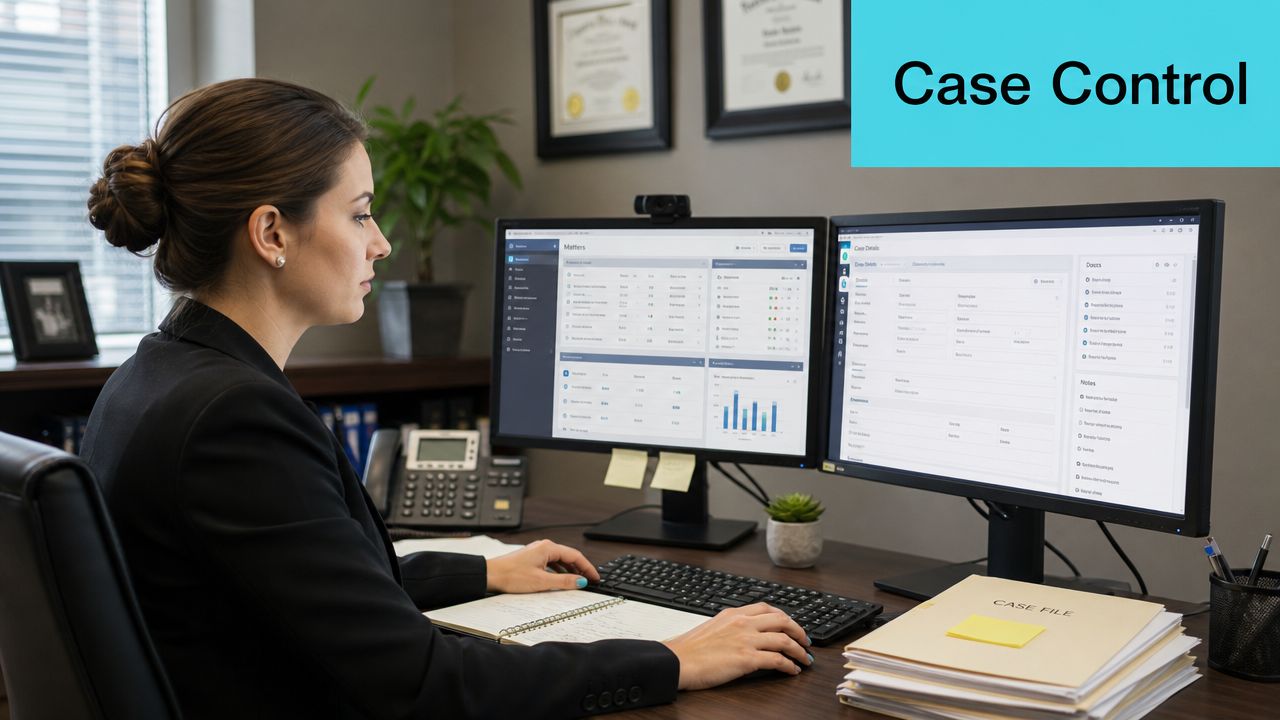
The practice area is large, and the economic weight behind it explains why file flow matters so much. The U.S. personal injury law market generated $61.3 billion in revenue in 2024, and one industry summary reports that only 4% of personal injury cases go to trial, which means most of the work happens in pretrial negotiation and settlement, as noted in these personal injury market statistics. That reality makes the paralegal's organization, follow up, and communication habits central to how firms operate.
Think like an air traffic controller
A PI file has moving parts that arrive out of order.
Medical records come in late. Bills arrive without records. Clients switch providers. Adjusters change. Witnesses stop responding. Treatment gaps appear. Attorneys need summaries before the records stack is complete. If nobody is actively coordinating those pieces, the file drifts.
That coordination usually falls to the paralegal. In practice, that means you are often doing all of the following at once:
- Client contact management so the client knows what the firm needs and what happens next
- Records control so requests, receipts, follow ups, and missing items are visible
- Deadline monitoring for limitations periods, hearings, depositions, and internal target dates
- Attorney support through organized chronologies, damages summaries, and status snapshots
Where firms get this wrong
Some firms still treat PI paralegals like task processors. Intake goes one way, records another, client messages somewhere else, and the attorney asks for updates case by case. That setup creates lag because nobody sees the full picture without piecing it together manually.
A better approach is to treat the file like a single operating system. Every communication, request, reminder, and task should connect back to one case record and one workflow. That's why firms often look closely at personal injury case management software options when they realize the actual issue isn't effort. It's fragmentation.
Practical rule: If the status of a file depends on one paralegal remembering it, the system is weak.
The best paralegals don't just stay busy. They build repeatable control into the file so the case can move even when the day gets messy.
Building a Bulletproof Case from Day One
A bad intake creates work for months. A strong intake saves the file over and over again.
That's why the first day matters more than it might initially seem. You're not opening a file. You're building a structure that has to hold up through records retrieval, liability analysis, treatment updates, demand prep, and possibly litigation.
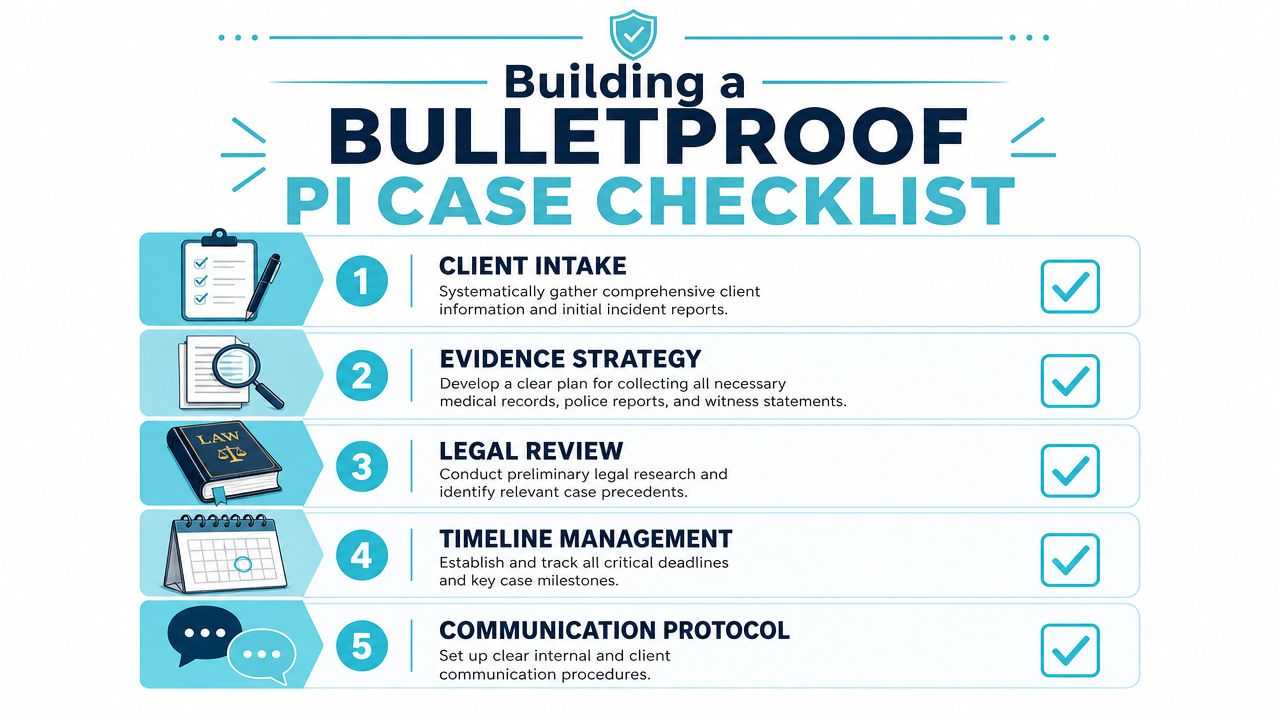
Industry guidance for PI workflows stresses evidence chain integrity. Intake should capture accident facts, witness contacts, insurance data, HIPAA authorizations, and early viability flags because those details drive records retrieval, chronology building, demand prep, and deadline control, as explained in this personal injury paralegal workflow guide.
What has to be captured immediately
A complete opening file should answer the questions the attorney will ask later under pressure.
Use this as a working intake standard:
- Accident facts including date, location, mechanism, involved parties, and how the client describes fault
- Witness and reporting information such as police report details, witness names, and contact information
- Insurance details for every policy and card the client can provide
- Medical starting point with first treatment location, current providers, and known follow up care
- Signed authorizations so records requests don't stall a week later
- Early warning issues like prior injuries, treatment gaps, liability concerns, or coverage questions
A lot of new paralegals collect these items without understanding the downstream value. Each one feeds a later task. If witness information is weak, liability prep is weak. If provider details are incomplete, records work drags. If insurance is unclear, the demand package gets delayed while someone reconstructs basic facts the file should already contain.
How to build a litigation ready structure
The file should be organized for what comes next, not just for what came in.
A simple way to think about it is by lanes:
| File lane | What belongs there | Why it matters |
|---|---|---|
| Liability | reports, photos, witness info, scene details | supports the narrative of fault |
| Treatment | provider list, records log, treatment timeline | supports chronology and injury story |
| Damages | bills, wage loss, out of pocket losses | supports valuation and demand prep |
| Deadlines | limitation dates, hearings, depositions, expert timing | prevents avoidable losses |
| Communication | client updates, requests sent, reminders due | keeps the case moving |
Calendar first, trust memory never
A strong PI paralegal workflow isn't just about collecting documents. It means creating a case structure that actively tracks statutes of limitations, depositions, hearings, and expert evaluations so nobody misses a dispositive deadline.
That means every new file should trigger immediate calendaring and review. Not later. Not after records arrive. On opening.
Open every file as if another paralegal may need to take it over tomorrow. If they can't understand the next step fast, the setup isn't good enough.
That habit protects the case, and it protects you.
Managing the Mid Case Marathon
The middle of a PI case is where good intentions break down. Intake is done. The initial rush is over. Now you're living inside follow ups, partial records, treatment updates, adjuster requests, and attorney check ins across a large caseload.
In such situations, manual systems often begin to falter.
Guidance for PI paralegals notes that they may handle more than 100 files at once, which makes spreadsheet-only tracking fragile under workload pressure and pushes firms toward centralized systems for document retrieval, calendaring, and task assignment, according to this overview on how to be a good personal injury paralegal.
Why spreadsheets collapse under real volume
Spreadsheets look organized until the file count grows. Then they become a lagging indicator of work that may or may not have happened.
The problem isn't that spreadsheets are useless. The problem is that they depend on perfect human updating. In a PI office, that rarely happens consistently because the day gets interrupted. A client calls. A provider finally faxes records. An attorney asks for a hearing date. You handle the urgent thing and promise yourself you'll update the tracker later.
Later doesn't always come.
What scalable management actually looks like
A workable mid case system does three things at once:
- Shows pending work clearly so outstanding records, follow ups, and client requests don't disappear
- Connects tasks to dates so reminders fire before a problem becomes urgent
- Keeps everyone in the same file context so staff aren't hunting through email chains for status
If those three things aren't true, the file starts drifting.
A quick comparison of what works
| Approach | What happens in practice |
|---|---|
| Sticky notes and memory | follow ups get missed when the day changes |
| Separate spreadsheets by staff member | ownership gets muddy and handoffs become risky |
| Email folders as a tracking system | status becomes hard to verify quickly |
| Centralized case workflow with tasks and calendaring | next actions stay visible across the team |
Mid case control comes from visible next actions, not from how hard someone is trying to remember everything.
The other issue in the middle stage is emotional. Clients go quiet, then anxious. Treatment slows down. Liability disputes drag on. Staff start feeling like every file is stalled. Usually the file isn't stalled. The workflow is.
When the system is sound, the middle phase becomes manageable because every file has a current status, an owner, and a next step. Without that, paralegals end up recreating the case every time someone asks for an update.
Automating Communication Without Losing the Human Touch
The biggest time drain in personal injury for paralegals usually isn't drafting. It's chasing and answering routine communication.
Clients want to know whether records came in, whether the adjuster responded, whether they should send another bill, whether the firm got the MRI report, and whether anyone is still working on the case. Those are reasonable questions. The problem is the channel mix. Phone calls, voicemails, personal email, firm email, text messages, and forwarded screenshots create a mess fast.
Training for PI paralegals rarely addresses this communication risk directly, even though fragmented communication around sensitive medical and accident information creates real operational vulnerability, as discussed in this personal injury for paralegals training overview.
Why the old communication model wears teams down
Phone and email work fine at low volume. They don't scale well across a large PI caseload.
A client leaves a voicemail. You call back and get no answer. You send an email. They reply with attachments from a different address. Then they call the receptionist because they haven't seen your email. Now the same issue exists in four places, and none of it is tied neatly to the case workflow.
That's how missed messages happen. That's also how sensitive information ends up scattered.
What better communication control looks like
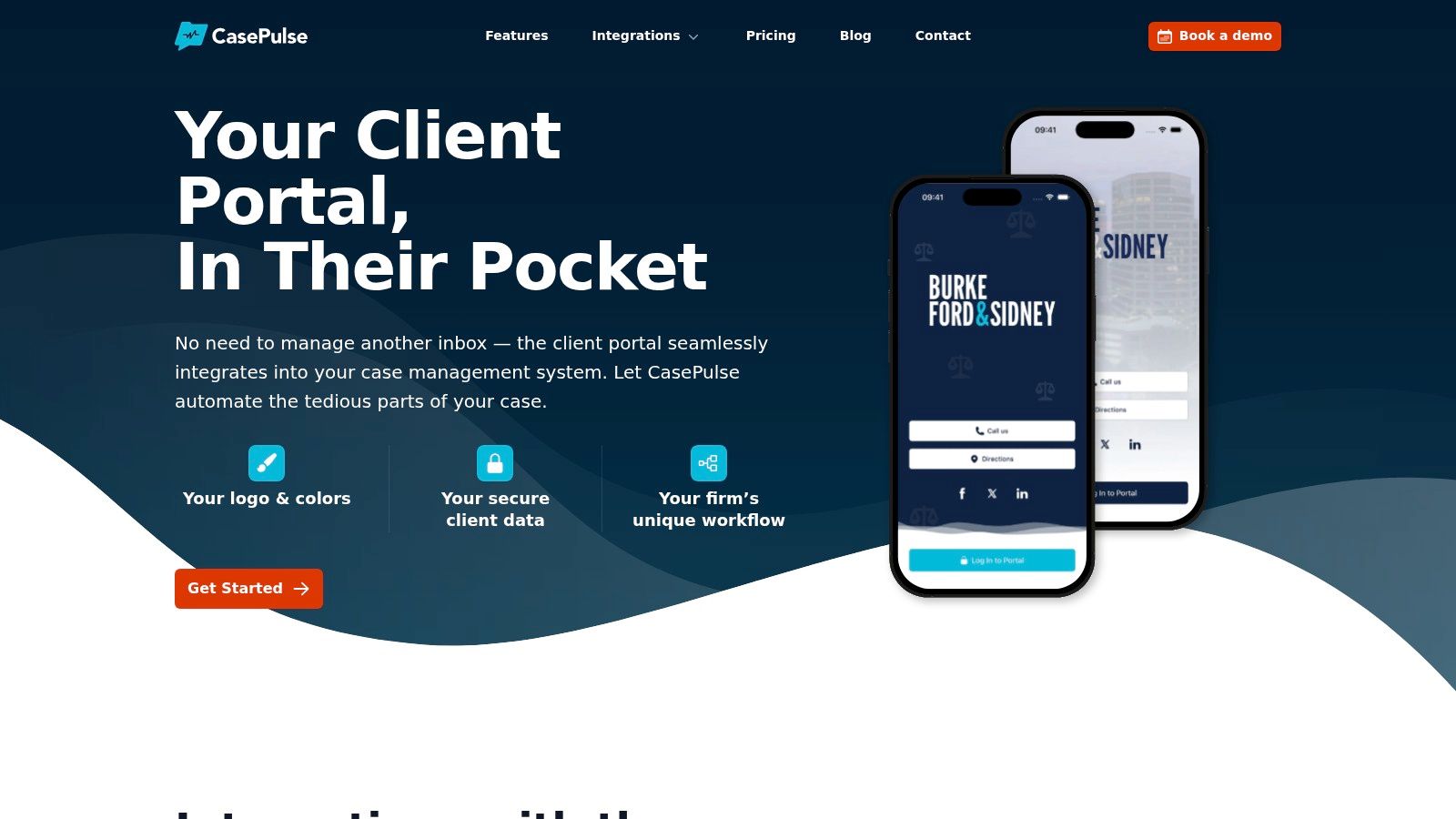
The fix is not to become less responsive. The fix is to route routine updates and file sharing into a secure, auditable client communication process that lives with the case.
That usually means giving clients one place to:
- Check status updates without calling for every routine question
- Send messages and files securely instead of scattering them across inboxes
- Complete forms and respond to requests from any device
- Receive reminders automatically so staff don't have to chase every small item manually
For firms already working inside systems like Needles, Neos, LawBase, or Litify, a client portal layer can help staff stay in the existing workflow instead of managing one more inbox. One example is CasePulse client communication practices for law firms, which describes a portal built to let clients check case status, message the team, share files, and complete forms while staff work inside their current case management environment.
Human service still matters
Automation doesn't mean sounding robotic. It means removing the repetitive contacts that don't need a live phone call so you can spend real time on the moments that do.
Use personal outreach for things like tough liability conversations, settlement discussions, treatment gaps, and expectation management. Automate reminders, document requests, and routine status visibility.
A related workflow upgrade is faster internal note capture. Many PI teams also look at how paralegals use dictation software when they want cleaner summaries and less typing after calls, which pairs well with a more structured communication process.
Clients don't need constant phone calls. They need clear access, timely answers, and confidence that the firm hasn't lost track of them.
That's the balance. Keep the human touch where judgment matters. Standardize the rest.
Driving the Case to a Successful Settlement
Settlement work gets easier when the file has been built correctly from the start. If liability proof is organized, treatment is tracked, and client communication has stayed clean, demand prep becomes an assembly process instead of a rescue mission.
That's where a strong paralegal gives the attorney an advantage.

What goes into a usable demand package
A demand package should help the attorney tell one coherent story. Liability, treatment, and damages have to line up. If the story is fragmented, negotiations start from a weaker position.
The core pieces usually include:
- Medical chronology that shows treatment in sequence and flags key milestones
- Damages support including bills, wage loss material, and other documented losses
- Liability summary that pulls together reports, photos, and witness support
- Records organization so the attorney can verify facts quickly without digging
The most useful chronologies don't just list dates. They show movement. Initial complaints, specialist referrals, imaging, procedures, therapy progression, and ongoing limitations should be easy to follow.
How paralegals add leverage before negotiation
Attorneys negotiate better when the file is reduced to clear choices and well-framed facts.
A good paralegal helps by preparing concise support materials such as:
| Support item | Why the attorney needs it |
|---|---|
| Medical summary | to understand the treatment story fast |
| Damages snapshot | to evaluate exposure and demand position |
| Missing item list | to avoid negotiating with avoidable gaps |
| Offer tracker | to keep movement and authority clear |
If you're drafting or assembling a demand, it helps to review practical guidance on writing a personal injury demand letter so the package is organized around persuasion, not just document volume.
Closing work still needs discipline
The file isn't done when the case settles. Details still matter.
You may be tracking lien resolution, collecting executed releases, preparing settlement statements, confirming disbursement instructions, and making sure the client understands what happens next. Sloppy closing work ruins the professionalism of an otherwise well-run file.
A settlement isn't complete when everyone agrees on the number. It's complete when the paperwork, money flow, and client communication all close cleanly.
That final stage is where organized paralegals save firms from expensive confusion.
Common Pitfalls and How to Avoid Them
Most PI paralegal mistakes aren't caused by laziness. They're caused by overloaded workflows that hide the next action.
The first pitfall is weak file setup. If intake is incomplete, everything downstream gets harder. Records requests stall, facts get reconstructed later, and the attorney ends up reviewing a file that never had a stable foundation. The fix is disciplined opening work and immediate calendaring.
The second pitfall is manual tracking that looks organized but isn't. A spreadsheet can show that a request was sent, but it often won't show whether anyone followed up, whether the response was usable, or whether the next task got assigned. The fix is a centralized workflow where tasks, dates, and communication live together.
The third pitfall is communication black holes. This is the one firms underestimate most. Clients send documents through whatever channel feels easiest. Staff answer from wherever they happen to be working. Soon there are duplicate requests, missed updates, and sensitive information spread across inboxes and voicemail. The fix is a secure, consistent client communication process that reduces routine calls and keeps the conversation attached to the case.
A simple way to self audit your process
Ask yourself these questions:
- Can another team member open any active file and identify the next step quickly
- Can you see outstanding records, deadlines, and pending client requests without checking multiple places
- Can clients send updates and documents without creating another side channel
- Can routine follow ups happen without staff manually remembering each one
If the answer to any of those is no, the stress you're feeling probably isn't personal. It's structural.
The difference between an overwhelmed PI paralegal and an effective one usually isn't talent. It's workflow design. Strong paralegals use judgment, but they don't rely on memory for routine control. They build systems that keep the file moving even on noisy days.
If your firm is trying to reduce call volume, tighten communication, and keep client updates inside the case workflow, CasePulse is one option to evaluate. It provides a secure client portal for law firms that integrates with systems such as Needles, Neos, LawBase, and Litify, so clients can check status, message the team, share files, and complete forms while staff continue working in their existing environment.